Artificial Intelligence (AI) is poised to transform the graphic design industry in several significant ways. AI's impact is multifaceted, offering both opportunities and challenges for designers.
Opportunities:
-
Automation of Repetitive Tasks: AI can automate mundane tasks such as image resizing, color correction, and background removal, allowing designers to focus on more creative and strategic aspects of their work. Tools like Adobe Sensei and AutoDraw exemplify this capability.
-
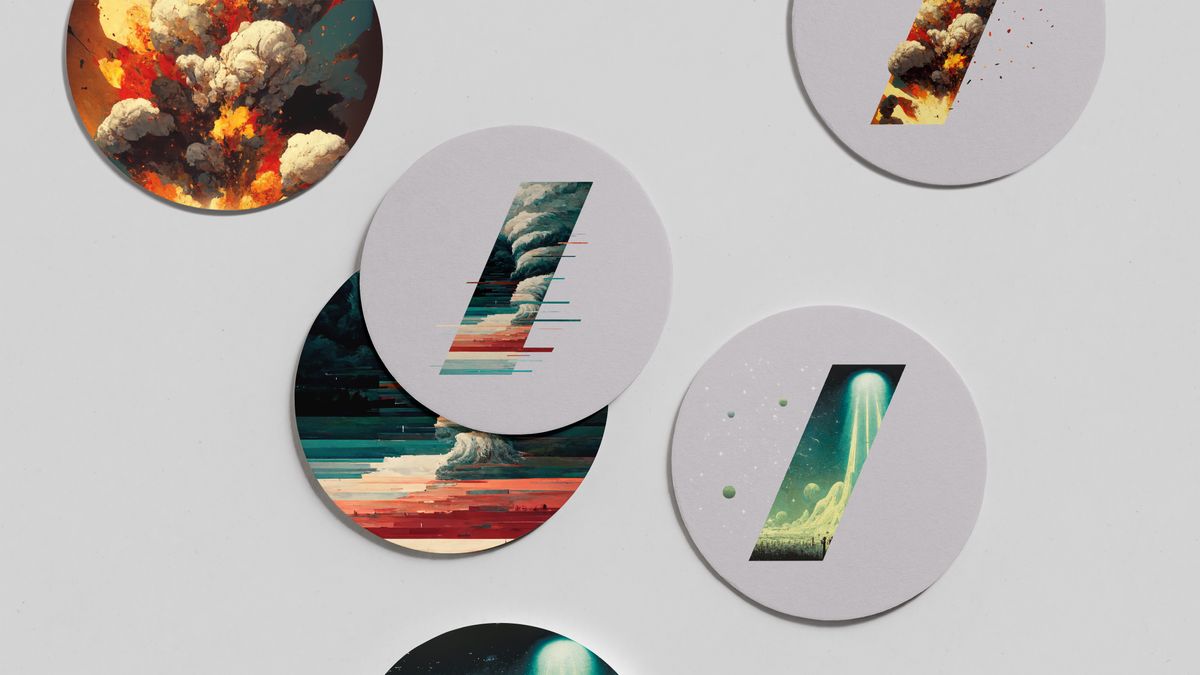
Enhanced Creativity and Productivity: AI tools like DALL-E 2, MidJourney, and Adobe Firefly can assist designers in overcoming creative blocks by suggesting new ideas and trends. These tools enable rapid prototyping and iteration, enhancing productivity and allowing for quicker transitions from concept to final design.
-
Data-Driven Design: AI can analyze user behavior and feedback to create smart layouts and optimize visual appeal. This data-driven approach aids in making informed design decisions and ensures consistency across projects.
-
Cost-Effectiveness: By reducing manual efforts and speeding up project timelines, AI offers a cost-effective solution for businesses, potentially increasing the market for AI-generated designs.
-
Personalization and Accessibility: AI can tailor design solutions to specific audiences, enhancing personalization. Automated checks for readability and color contrast improve accessibility, making designs more inclusive.
Challenges:
-
Job Security Concerns: The automation of design tasks raises concerns about job security within the designer community. While AI can handle routine tasks, the unique contributions of human designers, such as authenticity and emotional connection, remain irreplaceable.
-
Originality and Creativity: There is a risk of homogenization in design, as AI often draws from existing data. The potential diminishment of originality and creativity is a concern, as AI-generated designs may lack the human touch.
-
Ethical and Legal Considerations: Issues such as data privacy, biased algorithms, and copyright infringement pose ethical challenges. The need for regulation to clarify authorship and credit for AI-generated work is crucial.
-
Over-Reliance on AI: There is a risk of over-reliance on AI, leading to client expectations for faster delivery and potentially devaluing the creative process.
In conclusion, AI is set to be a powerful ally in the graphic design industry, enhancing efficiency, creativity, and personalization. However, it is essential for designers to evolve, embrace AI, and leverage it to elevate their roles in the creative process. The partnership between AI and human designers can lead to innovative and impactful design solutions, while maintaining the unique qualities that only human creativity can offer.


/cdn.vox-cdn.com/uploads/chorus_asset/file/25460210/google_ai_overview_example.png)