Omniracle

Why Is Patience Important In Building Wealth?

Patience is a fundamental aspect of building wealth, primarily due to its role in long-term investment strategies. Here are the key reasons why patience is crucial:

  1. Market Fluctuations: Investing is inherently uncertain, especially in the short term. Patience allows investors to withstand market volatility without making impulsive decisions, such as withdrawing investments during downturns, which can lead to missed opportunities for recovery and growth.

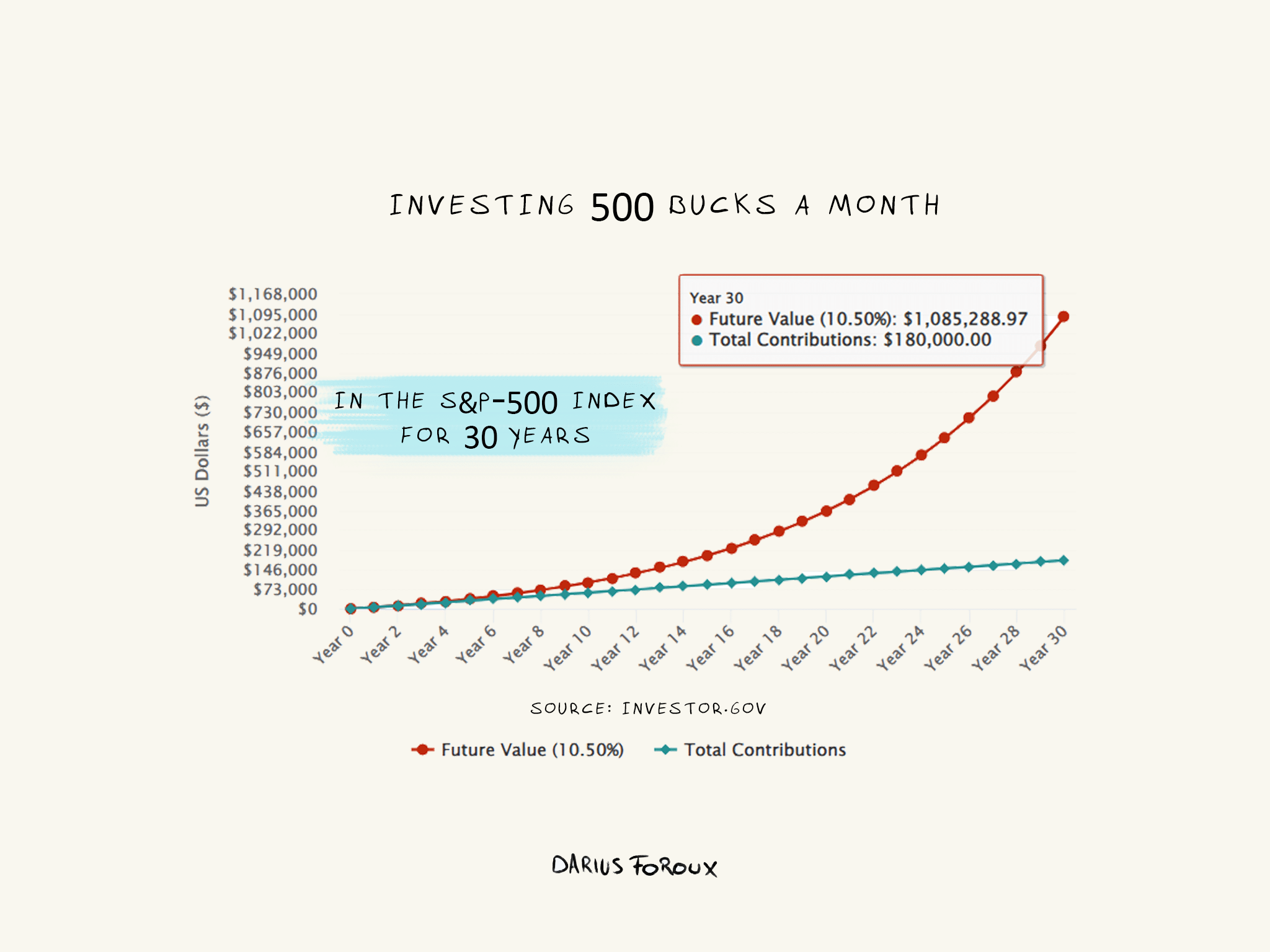
  2. Compounding Returns: The power of compounding is a significant driver of wealth accumulation. By remaining patient and allowing investments to grow over time, investors can benefit from compound interest, which accelerates growth, particularly in retirement accounts.

  3. Behavioral Biases: Human biases, such as loss aversion and the fear of missing out (FOMO), can lead to short-sighted decisions. Patience helps mitigate these biases by encouraging a focus on long-term goals rather than immediate gains or losses.

  4. Strategic Planning: Patience is essential for adhering to a strategic investment plan. It involves setting financial goals and maintaining discipline to achieve them, even when faced with market uncertainties or economic changes.

  5. Delayed Gratification: Building wealth requires the ability to delay gratification. This means resisting the urge to access funds prematurely and allowing investments to mature over time.

  6. Historical Evidence: Historical data, such as the average annual return of the S&P 500, demonstrates that patient, long-term investing often yields better results than attempting to time the market or seeking quick profits.

  7. Mindset and Discipline: Cultivating a patient mindset involves consistent actions and self-talk. It requires financial, mental, and emotional discipline to stay committed to long-term goals despite obstacles or temptations.

In summary, patience is a critical component of successful wealth accumulation. It enables investors to navigate market fluctuations, leverage the benefits of compounding, and maintain focus on long-term financial objectives.

What Are The Main Differences Between LLaMA 2 And LLaMA 3?

What Are The Main Differences Between LL...

The main differences between LLaMA 2 and LLaMA 3 can be summarized as follows:1. Model Size and Parameters: LLaMA 3 introduces larger model sizes, including an 8 billion, 70 billion, and a 400 billion...

What Does It Mean To Live Below Your Means?

What Does It Mean To Live Below Your Mea...

Living below your means is a financial strategy that involves spending less than you earn. This approach is fundamental for achieving financial security and independence. It allows individuals to save...

What Other Factors Can Affect The Color Of The Sky?

What Other Factors Can Affect The Color ...

The color of the sky is primarily influenced by the scattering of sunlight by molecules and particles in the Earth's atmosphere, a process known as Rayleigh scattering. However, several other factors ...

Objectivism

Objectivism

Objectivism, developed by Ayn Rand, is a comprehensive philosophical system that emphasizes individualism, reason, and capitalism. It posits that reality exists independently of consciousness, and tha...

How Do Economic Indicators Influence Market Fluctuations?

How Do Economic Indicators Influence Mar...

Economic indicators play a crucial role in influencing market fluctuations by providing insights into the health and direction of an economy. These indicators can be categorized into leading, lagging,...

How Do You Think Ai Will Change The Graphic Design Industry?

How Do You Think Ai Will Change The Grap...

Artificial Intelligence (AI) is poised to transform the graphic design industry in several significant ways. AI's impact is multifaceted, offering both opportunities and challenges for designers.Oppor...